



We’ve all been there…
After an exhausting camping trip, all you want to do is drive home, kick off your muddy boots, and take a big, long nap. Oh, and you’ve also got to toss your dirty camping gear back into the garage, too.
While it can feel easy to leave shoes and gear (and even your car) unclean between adventures (“It’s just going to get dirty again in a few days when I go on another trip!”), it’s important that you don’t fall into the bad habit of not brushing your gear free of plant parts, seeds, and fragments.
Unfortunately, improper cleaning of camping gear can promote the spread of invasive species, which can threaten the health of our beautiful wild spaces. While recreating outside, it’s important to Play Clean Go. Play (camp, hike, bike, run, etc… to your heart’s content!), clean your gear before you go home, or move on to a new site.
Here are the main steps for following Play Clean Go while camping:
- REMOVE plants, insects, and mud from your boots, gear, and pets.
- CHECK your tires on bikes, ATVs, and cars, and remove any plant parts before moving to a new area.
- CLEAN your gear before entering and leaving a recreation site.
- STAY on designated roads and trails.
- USE LOCAL firewood.
As campers and nature lovers, it’s our responsibility to protect the wild places we love and minimize our impact on natural places. By following the simple steps outlined in the Play Clean Go campaign, we can enjoy spending time outside, while simultaneously preventing the spread of invasive species.
How clean is clean?
Your shoes don’t have to be in mint condition, just a quick brush for about a minute is plenty. Don’t have a boot brush? Find us at an upcoming community event and we’ll give you one for free!
The same goes for your gear and your car: you don’t need more than an easy, five-minute check for plant parts that might have gotten stuck in tent flaps, clothing, car tires, etc… Remember to do this before leaving your campsite! Otherwise, you risk spreading plant parts while travelling home or to your next recreation site.
Remember, your gear doesn’t have to be squeaky clean; the idea is just to remove any plant fragments (or even small insects or animals) that could spread to other places.


Buy Local, Burn Local.
*** Please note that there is a campfire ban across the Sea to Sky right now [August 2023], so please don’t start any campfires until the ban is lifted.
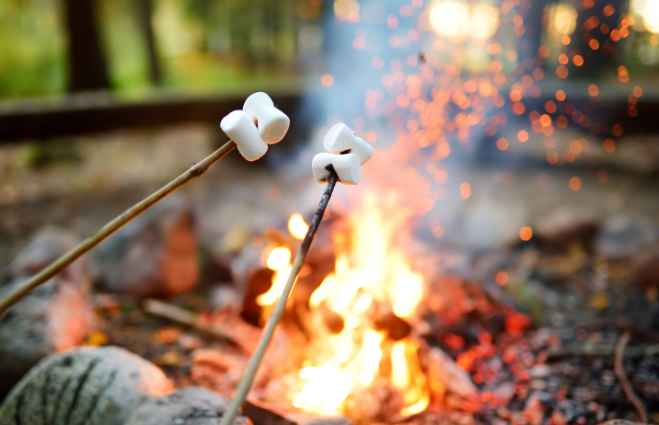
Roasting marshmallows and gazing at stars next to a campfire is a classic camping experience. Make sure the firewood you’re using won’t contribute to the spread of invasives! Moving firewood to or from a campground or cabin can spread invasive species and diseases that can destroy our forests and harm our air and water. Avoid transporting firewood long distances – make sure you buy local and burn local.
- Read more about Buy Local, Burn Local on our page for outdoor adventurers (like you!)

What to look out for:

Burs
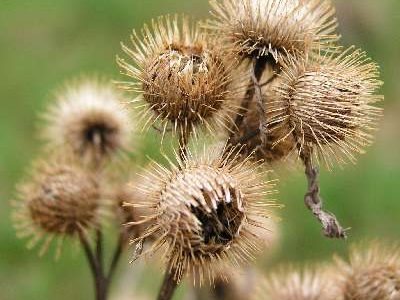
Some plants, such as Common Burdock or Hound’s Tongue, have prickly burs that can stick to clothing, pet fur, and human hair. These burs contain seeds to further their spread. Watch out for burs and remove them before leaving an area to avoid becoming a vector of spread yourself.


Root fragments
Some root-propagating plants, such as Knotweed, English Ivy, or Yellow Lamium, can re-grow just from small root fragments – so it’s important to leave these behind at any recreation site.


Aquatic invasives
If your camping trip involves any water activities, it’s also important to Clean Drain Dry:
- Clean plants, animals, and mud off your boat and gear,
- Drain all water from your boat and gear onto land, and
- Completely dry all parts of your boat and gear before moving to a new area.
This practice prevents invasive aquatic species, such as Zebra and Quagga mussels, from hitchhiking onto your boat or gear and spreading to new waterbodies.
Links:
- Play Clean Go
- Play Clean Go for Adventurers
- 10 Outdoor Essentials for the Invasive Species Conscious Person
- Buy Local, Burn Local
- Report Invasive Species